Vertical Kitchen Herb Gardens: A Step-by-Step Small Space Guide
Transform cramped counters into a fresh culinary oasis. Discover how to plan, plant, and maintain a thriving vertical indoor herb garden at home.
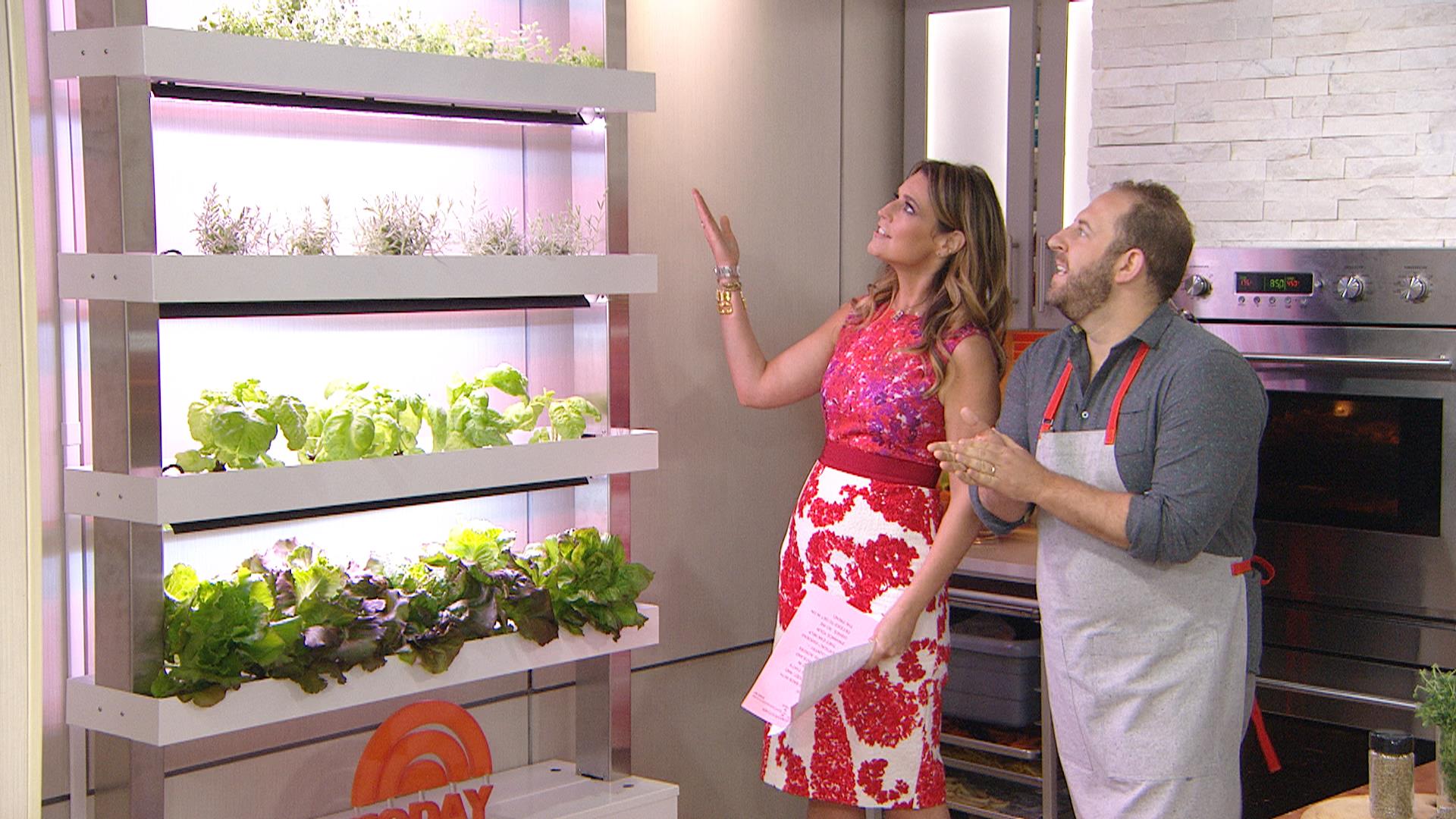
Cooking with freshly picked herbs elevates everyday meals, but limited counter space often stops apartment dwellers from growing their own produce. Vertical gardening solves this dilemma by turning empty wall space, window frames, and cabinet sides into productive greenery. With a few thoughtful adjustments to lighting, watering, and plant selection, you can build a lush, aromatic indoor kitchen garden that saves space and enhances your daily routine.
Assessing Your Kitchen Microclimate
Before mounting hardware or purchasing seedlings, take a few days to observe the natural conditions in your kitchen. Plants rely heavily on consistent light, predictable temperatures, and sufficient air circulation to thrive indoors. Identifying the unique microclimate of your cooking space ensures your vertical setup flourishes rather than struggles.
Evaluating Sunlight Exposure
Most culinary herbs demand strong, direct light to produce the essential oils responsible for their rich aroma and flavor.
- South-facing exposures: These provide the most intense and sustained sunlight throughout the day, making them ideal for Mediterranean varieties like rosemary, thyme, and oregano.
- East- and west-facing exposures: These areas receive softer morning or afternoon light, which works well for leafy, tender herbs such as parsley, cilantro, and chives.
- North-facing spaces: Without direct sun, natural light alone will rarely sustain herbs. If your kitchen only has north-facing windows or no windows at all, you will need to supplement your setup with full-spectrum LED grow lights mounted directly above your vertical garden.
Managing Heat and Humidity
Kitchens experience dramatic fluctuations in humidity and temperature. Steam from simmering pots creates sudden moisture spikes, while ovens and stovetops generate bursts of dry heat.
Mount your vertical garden away from the immediate blast radius of the range hood and oven vents. Similarly, keep planters clear of drafty air conditioning units or heating radiators, as rapid temperature shifts stress fragile root systems and dry out foliage prematurely.
Choosing the Right Vertical Mounting System
Vertical systems come in several designs, ranging from ultra-compact rail systems to full-wall modular panels. The best choice depends on your wall construction, your available floor or counter perimeter, and how much weight your surfaces can safely support.
Hanging Rail and Pot Systems
One of the most accessible and budget-friendly methods uses horizontal metal rails secured to the wall or the side of an upper cabinet. Small pots equipped with integrated hooks hang directly from the bar.
This approach offers unmatched flexibility. You can easily unhook individual pots to bring them directly to the cutting board, rotate them toward natural light, or carry them to the sink for a thorough soaking.
Pocket Wall Planters
Felt or canvas pocket planters attach directly to a sturdy wall bracket or a framed backing board. Breathable fabric promotes healthy root aeration and prevents moisture stagnation.
When using fabric pocket planters indoors, always ensure there is an impermeable waterproof backing panel between the fabric and your drywall. Without this barrier, persistent dampness can damage interior paint, plaster, or structural studs.
Freestanding Vertical Ladders and Shelving
If you rent your home and cannot drill holes into walls or cabinetry, freestanding tiered ladders offer an excellent alternative. These narrow, upright structures lean against an empty wall or fit neatly into an unused corner beside a sunny patio door.
Freestanding units allow you to arrange pots on staggered levels, ensuring the upper foliage does not cast dense shadows over the plants situated below.
Selecting the Best Herbs for Vertical Growing
Not all culinary herbs behave the same way in tight quarters. Success requires pairing herbs with similar water and light requirements, while prioritizing varieties that respond well to frequent harvesting.
Upright and Compact Herbs
- Sweet Basil: A kitchen staple that grows vigorously in warm, bright spots. Pinch off flower buds as soon as they appear to keep the leaves tender and flavorful.
- Chives: Extremely resilient and adaptable to lower light levels than woody herbs. Their upright, slender growth habit requires minimal horizontal space.
- Flat-Leaf Parsley: Deeply tap-rooted but happy in moderately deep pots. It yields steady harvests for months when outer stems are removed first.
Trailing and Low-Profile Herbs
- Thyme: Naturally forms dense, low mats that spill gracefully over the edges of vertical planters, softening rigid edges.
- Oregano: Spreads steadily and handles dry conditions well, making it an excellent companion for sunny wall setups.
- Mint (In Dedicated Containers Only): While delicious, mint spreads aggressively through creeping underground runners and will quickly choke out neighboring roots. Always give mint its own dedicated container within your vertical arrangement.
Soil, Drainage, and Indoor Watering Strategies
Water management represents the single biggest hurdle in indoor vertical gardening. Without traditional ground drainage, excess water must be carefully controlled to prevent root rot and kitchen water damage.
Choosing the Proper Growing Medium
Never use heavy outdoor garden soil in indoor containers. Garden dirt compacts quickly inside pots, suffocating root systems and retaining too much moisture.
Instead, select a lightweight, well-draining indoor potting blend. Look for mixes containing peat moss or coconut coir blended with generous amounts of perlite or vermiculite. This structure retains just enough moisture while allowing oxygen to circulate around the roots.
Preventing Indoor Drips and Spills
Indoor vertical planters must balance proper drainage with indoor cleanliness. Standing water around roots leads to fungal issues, yet dirty water dripping down your kitchen wall creates a mess.
- Double-potting: Place plastic nursery pots with drainage holes inside decorative, sealed outer vessels. Remove the inner pot to water in the sink, allow it to drain completely, then return it to the wall.
- Integrated drip trays: Many modular wall planters feature cascading channels that direct excess water from top tiers into a sealed collection reservoir at the base.
- Self-watering wicking pots: These containers use absorbent cords to pull water upward from a small reservoir into the soil as the plant needs it, cutting down on daily maintenance.
Pruning, Harvesting, and Ongoing Care
A vertical herb garden is not just decorative; it is a working food source. Regular harvesting keeps plants healthy, compact, and productive over an extended lifespan.
The Golden Rule of Harvesting
Never remove more than one-third of a plant's total foliage in a single cutting. Taking too much foliage at once shocks the plant and impairs its ability to synthesize energy from light.
Cut stems just above a pair of leaf nodes using sharp kitchen shears or pruning snips. This practice stimulates the dormant buds at that joint to split into two new branches, creating a bushier, denser plant rather than a leggy, sparse stem.
Managing Nutrition and Pests
Because container herbs live in a finite volume of soil, their nutrients deplete over time. Feed your vertical garden once a month during active growth with a balanced, organic liquid fertilizer diluted to half-strength. Avoid high-nitrogen fertilizers, which promote rapid vegetative growth at the expense of aromatic essential oils.
Keep a close eye out for common indoor pests like fungus gnats and spider mites. Prevent issues by letting the top layer of soil dry slightly between waterings and maintaining gentle room airflow. If pests appear, wipe the leaves gently with a damp cloth or apply a mild insecticidal soap formulated for edible plants.
Frequently Asked Questions
Can I grow herbs vertically without any natural window light?
Yes, you can grow healthy culinary herbs using artificial light alone. Mount a full-spectrum LED grow light bar roughly six to twelve inches above your vertical garden and keep it turned on for twelve to fourteen hours daily using an inexpensive outlet timer.
How often should I water my vertical wall herbs?
Indoor watering depends on ambient temperature, humidity, and planter material. Check your herbs every few days by inserting your finger roughly an inch into the potting mix. If the soil feels dry beneath the surface, it is time to water; if it feels cool and damp, wait another day or two.
Do herbs need repotting over time?
Most culinary herbs will eventually outgrow small vertical wall containers after one to two seasons. When you notice roots coiling tightly around the base or poking out through drainage holes, trim the root mass gently and refresh the potting soil, or replace mature woody plants with vigorous young seedlings.