Crispy Honey Garlic Salmon Bites for Easy Dinners
Master tender, caramelized salmon in under thirty minutes with this easy honey garlic salmon bites recipe. Perfect for quick, flavorful weeknight bowls.
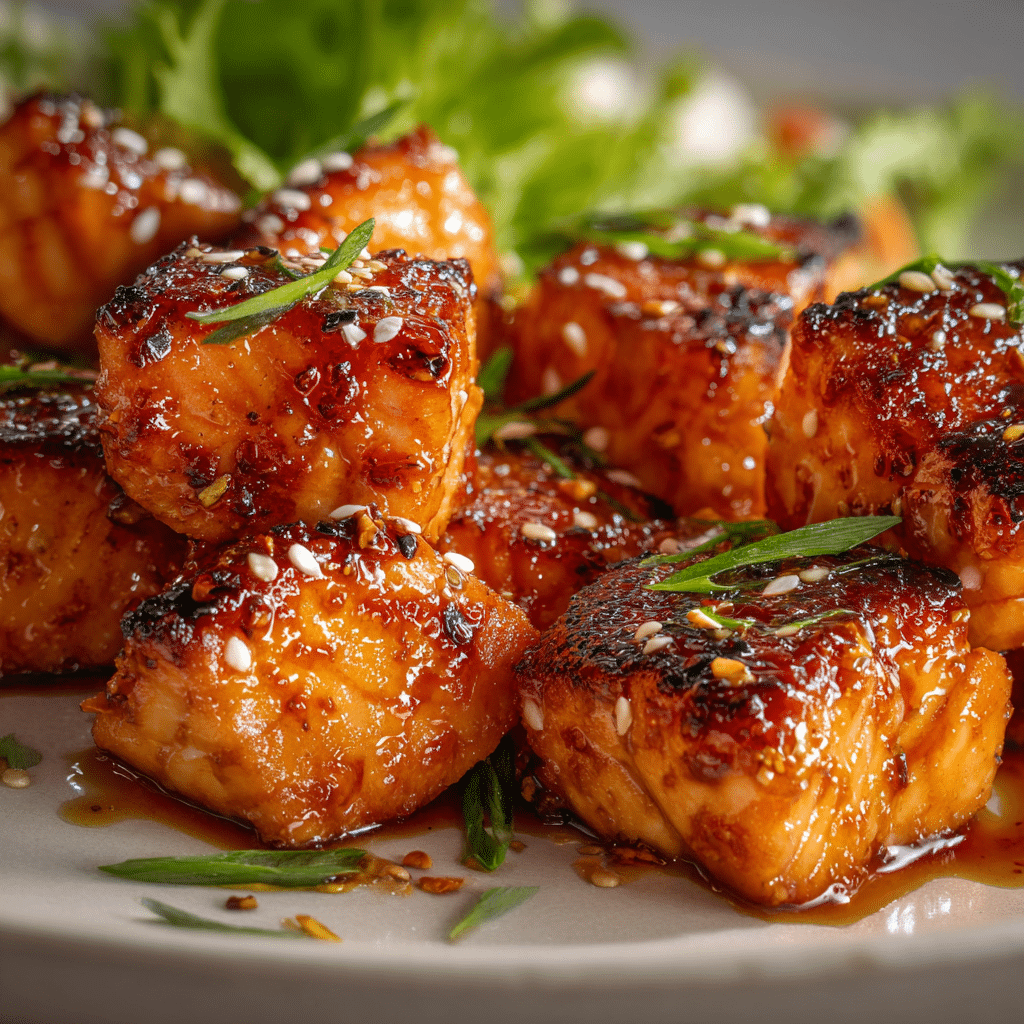
These crispy honey garlic salmon bites deliver restaurant-quality texture and rich, sticky flavor in less than half an hour. Cutting fresh salmon into bite-sized cubes creates crisp, golden edges on every side while keeping the interior moist and tender. Paired with a simple pan sauce made from pantry staples, this dish is an effortless way to upgrade your weeknight seafood rotation.
Why Salmon Bites Are a Weeknight Favorite
Cooking whole salmon fillets can sometimes lead to uneven results, especially if the tail end cooks faster than the thick center cut. Cutting the salmon into uniform cubes solves this problem completely, ensuring every piece cooks evenly in just a few minutes.
The increased surface area also means more caramelization. Each bite develops a light crust that catches and holds the sweet and savory honey garlic glaze. Because the fish cooks so quickly, the entire meal comes together in about twenty minutes, making it ideal for busy evenings when you want a wholesome dinner without spending hours by the stove.
Ingredients You Will Need
Using fresh, quality ingredients will give you the best texture and clean flavor. Here is what to gather before heating up your skillet.
For the Salmon
- Skinless salmon fillets: Look for firm, vibrant fillets. Wild-caught or sustainably farmed salmon both work well. Cut them into roughly one-inch cubes.
- Cornstarch: A light dusting absorbs exterior moisture and creates a delicate, golden crust in the pan.
- Kosher salt and black pepper: Basic seasoning to enhance the natural richness of the fish.
- Garlic powder and smoked paprika: Adds depth and a gentle warmth to the salmon before searing.
- Cooking oil: Choose a high-smoke-point oil such as avocado oil, canola oil, or light olive oil.
For the Honey Garlic Sauce
- Honey: Provides the classic sweetness and allows the sauce to bubble down into a glossy, sticky glaze.
- Low-sodium soy sauce or tamari: Adds umami and balances the honey. Using low-sodium sauce keeps the salt level balanced as the liquid reduces.
- Fresh garlic: Finely minced or grated garlic blooms quickly in the warm pan, creating an aromatic foundation.
- Fresh ginger: Grated ginger cuts through the richness of the salmon and adds a bright, subtle heat.
- Rice vinegar: A splash of mild acid cuts the sweetness and rounds out the sauce.
- Toasted sesame oil: Stirred in at the very end to provide a rich, nutty finish.
Optional Garnishes
- Toasted sesame seeds: Adds visual contrast and a subtle crunch.
- Green onions: Thinly sliced scallions bring a burst of fresh onion flavor and color.
- Red pepper flakes or sriracha: For anyone who prefers a touch of spicy heat.
Step-by-Step Cooking Method
Follow these straightforward steps to achieve a crisp exterior and perfectly glazed finish without overcooking the fish.
1. Prep and Season the Salmon
Pat the cubed salmon thoroughly dry with paper towels. Removing surface moisture is the most critical step for getting a true sear rather than steaming the fish. Place the cubes in a medium bowl, sprinkle with kosher salt, black pepper, garlic powder, and smoked paprika, then toss gently to coat. Dust the cornstarch over the fish and toss once more until a thin, powdery coating covers each piece.
2. Whisk the Glaze
In a small bowl or liquid measuring cup, combine the honey, low-sodium soy sauce, minced garlic, grated ginger, and rice vinegar. Whisk with a fork until the honey is fully dissolved into the liquid. Set the sauce mixture next to your cooktop so it is ready to pour as soon as the fish is seared.
3. Sear the Salmon Bites
Set a large non-stick skillet or seasoned cast-iron pan over medium-high heat. Add your cooking oil and let it heat until shimmering. Carefully add the salmon cubes in a single layer, leaving space between each piece so they do not crowd.
Cook undisturbed for two to three minutes until the undersides turn golden brown and easily release from the pan. Using tongs, flip each piece and cook for another one to two minutes on the reverse side. The interior should remain slightly translucent at this stage, as it will finish cooking in the glaze.
4. Add the Sauce and Glaze
Turn the heat down to medium. Pour the whisked honey garlic sauce directly into the skillet around the salmon. The liquid will immediately begin to bubble rapidly.
Gently shake the pan or use a silicone spatula to roll the salmon bites through the sauce. Allow the mixture to simmer for one to two minutes, spooning the thickening glaze over the top of the fish. As the honey reduces, it will turn into a dark, glossy coating that clings tightly to every piece. Remove the skillet from the heat immediately once the glaze thickens to avoid burning the sugars.
5. Garnish and Rest
Drizzle the toasted sesame oil over the pan and give the skillet one final, gentle swirl. Transfer the salmon bites to a serving platter or individual bowls, then garnish with sliced green onions and toasted sesame seeds. Let the fish rest for two minutes before serving to allow the glaze to set.
Tips for the Crispiest Salmon
- Do not crowd the skillet: If your pan is on the smaller side, sear the salmon in two batches. Overcrowding drops the pan temperature and traps steam, resulting in soft edges rather than a crisp crust.
- Keep the cubes uniform: Cutting the salmon into even, one-inch pieces ensures that smaller bits do not dry out before larger chunks finish cooking through.
- Watch the heat when glazing: Because honey contains natural sugars, it can transition from caramelized to scorched quickly. Drop the burner temperature to medium or medium-low as soon as you pour the liquid into the skillet.
- Use cold salmon for slicing: Salmon is much easier to dice into neat cubes when it is chilled straight from the refrigerator. Once cut, let it sit on the counter for five minutes before dusting with cornstarch and searing.
Delicious Variations to Try
- Spicy Honey Sriracha: Add a tablespoon of sriracha or chili crisp to the sauce whisk for a fiery kick that balances the sweet honey.
- Citrus Ginger: Swap half of the rice vinegar for fresh orange or lime juice to introduce a brighter, citrus-forward profile.
- Air Fryer Method: Arrange the seasoned, cornstarch-dusted salmon bites in an air fryer basket lined with parchment paper. Spray lightly with oil and cook at 400 degrees Fahrenheit for seven to eight minutes. Simmer the glaze in a small saucepan on the stove, then toss the air-fried bites in the sauce just before serving.
What to Serve with Salmon Bites
These flavorful bites pair naturally with mild, absorbent sides that catch the extra honey garlic sauce.
- Grains: Steamed jasmine rice, brown rice, or quinoa make an ideal base for building balanced dinner bowls.
- Noodles: Toss leftover glaze with warm soba noodles or thin rice vermicelli along with a drizzle of chili oil.
- Greens and Veggies: Balance the rich glaze with tender-crisp steamed broccoli, sautéed snap peas, roasted baby bok choy, or a crisp cucumber salad dressed in rice vinegar and sesame seeds.
Storing and Reheating Leftovers
Salmon bites make fantastic meal-prep components when stored and reheated properly.
- Refrigerator Storage: Store completely cooled salmon bites in an airtight glass container in the refrigerator for up to three days. Keep any remaining sauce in the container to help keep the fish moist.
- Reheating: Avoid microwaving salmon when possible, as high microwave heat can toughen the protein and create an overwhelming aroma. Instead, reheat the bites in a lightly oiled skillet over medium-low heat for three to four minutes, or place them in an air fryer or toaster oven at 350 degrees Fahrenheit for three to five minutes until warmed through.
Frequently Asked Questions
Can I leave the skin on the salmon?
While salmon skin is nutritious and delicious when crisped, it does not work as well for this specific recipe. Cubes with skin tend to curl unevenly in the pan, and the skin can soften quickly once tossed in the sticky glaze. Skinless fillets yield the best texture.
Can I make this recipe with frozen salmon fillets?
Yes, frozen fillets work well. Thaw them completely in the refrigerator overnight, then use extra paper towels to press out excess moisture before cubing and applying the cornstarch coating.
How do I know when the salmon bites are fully cooked?
Salmon cubes cook very quickly. When done, the fish will flake easily when pressed lightly with a fork, and the center should be opaque with a slight touch of pale pink. Cooking for roughly four to five minutes total in the skillet ensures they remain tender and succulent.